
Our neighborhoods, daily lives, and even property values are shaped by urban planning, often known as city planning. Every city in California is required to have a general plan, and the “general plan” is taught to students at every planning school. A general plan is a roadmap that describes long-term objectives for community development and progress. However, did you know that cities may handle specific local demands with alternative planning instruments like Overlay Zones and Specific Plans? not to mention, how it can affect your home. Let’s break it down.
What is a General Plan?
Consider a general plan to be the “blueprint” of your community. It guide growths and directs land use, transportation, housing policy, growth, and development over a 20–30 year span. Known as “the seven elements” of the General Plan, there are at least seven chapters, which usually consist of:
- Land Use: Guides future development, indicating areas for housing, commercial, industrial, and public facilities.
- Housing: Ensures adequate, affordable housing opportunities to meet the community’s diverse needs.
- Transportation: Manages local transportation systems, from streets and highways to pedestrian and cycling pathways.
- Conservation: Protects natural resources and promotes sustainable management practices.
- Open Space: Provides for parks, recreational spaces, and preserved natural environments.
- Noise: Addresses noise pollution and outlines strategies to minimize exposure.
- Safety: Enhances public safety through disaster preparedness and reducing community vulnerabilities.
One of the newest elements that the state now requires is the Environmental Justice Element. The Environment Justice (EJ) Element is a new California State required element for jurisdictions that have State identified ‘disadvantaged communities.’ EJ is defined as “the fair treatment and meaningful involvement of people of all races, cultures, incomes, and national origins, with respect to the development, adoption, implementation, and enforcement of environmental laws, regulations, and policies.” So in total there are eight General Plan Elements.
Specific Plans: Going Beyond the General
Specific Plans offer detailed guidance for particular neighborhoods or districts within a city. Cities enact their own specific plans to control specific areas’ detailed growth, design standards, and land use regulations. For instance, Old Pasadena is governed by a Central District Specific Plan that preserves historic buildings while promoting vibrant commercial activity.


Overlay Zones: Tailoring Local Needs
Overlay zones are regulatory tools layered on existing zoning to protect unique areas or address specialized concerns. Monrovia’s Historic District Overlay Zone preserves its historic architecture, ensuring new developments complement the community’s heritage. As well with the City of Los Angeles, they have many overlays, which are usually geared for protection of Historic areas or certain design aesthetics of the neighborhood.
Comparing General Plans, Specific Plans, and Overlay Zones
Below are some of the plans or guidelines that help target specific areas within a city.
- General Plans: Broad guidelines for citywide development.
- Specific Plans: Detailed, localized guidelines within an area of the city.
- Overlay Zones: Detailed, localized guidelines within a city.
Real-Life Examples from the San Gabriel Valley
- Pasadena’s General Plan Update (2015): Aims for sustainable growth, reduced congestion, and enhanced quality of life through mixed-use developments.
- West Covina’s Downtown Plan & Code (2016): Revitalizes downtown through commercial growth, pedestrian-friendly design, and vibrant community spaces.
- Glendora’s East Arrow Highway Specific Plan (2018): Focuses on mixed-use revitalization, walkability, and improved connectivity along the corridor.


How Changes to the General Plan Can Affect Your Home
When cities update their General Plans, those changes can have real impacts on individual properties and neighborhoods:
- Zoning Changes: A land use designation might change from single-family to multi-family, allowing more dense development near your home.
- Traffic Patterns: A new circulation plan might redirect busier traffic onto streets near your house.
- Neighborhood Character: Increased housing density or commercial zoning could bring more foot traffic, parking concerns, or redevelopment.
- Property Value Impacts: Changes might increase property values due to new amenities or decrease them if incompatible uses are allowed nearby.
- Safety Requirements: Homes in areas newly designated as wildfire-prone might need additional safety upgrades or fire-resistant building materials.
It’s important to always know how your city is evolving. Is a new mix-use development being proposed near your home? How will that affect your home value? As the population continues to grow, most cities are going to start proposing higher density to meet the demand for housing. Understanding what’s proposed and how it affects your home is critical. These updates happen every few years—and your voice matters when it comes to shaping the outcomes, so when you are in the market to buy a new home or rent, take a look at your cities planning’s website and browse around to see what is happening in that city. You may be surprised!
This why these Plans matter to you, so whether you’re a homeowner, business owner, or renter, planning directly impacts your community by shaping property values, neighborhood aesthetics, and local infrastructure.
How to Get Involved in Planning Decisions
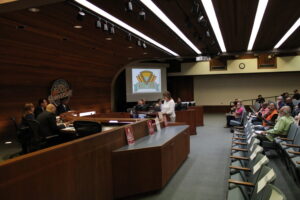
Stay informed through your city’s planning department and participate in public meetings to ensure your community develops according to your preferences and values.
Understanding General Plans, Specific Plans, and Overlay Zones empowers you to actively shape your community’s future. Stay informed, involved, and help build vibrant, sustainable neighborhoods together.
Cities in the San Gabriel Valley regularly host public meetings where residents can voice opinions, ask questions, and provide input on upcoming projects. Stay informed through your city’s website or planning department announcements, and attend meetings to ensure your community develops in ways you value. Let’s build cities we all want to live in—together.