
What Real Estate Agents & City Planners Know That You Don’t!
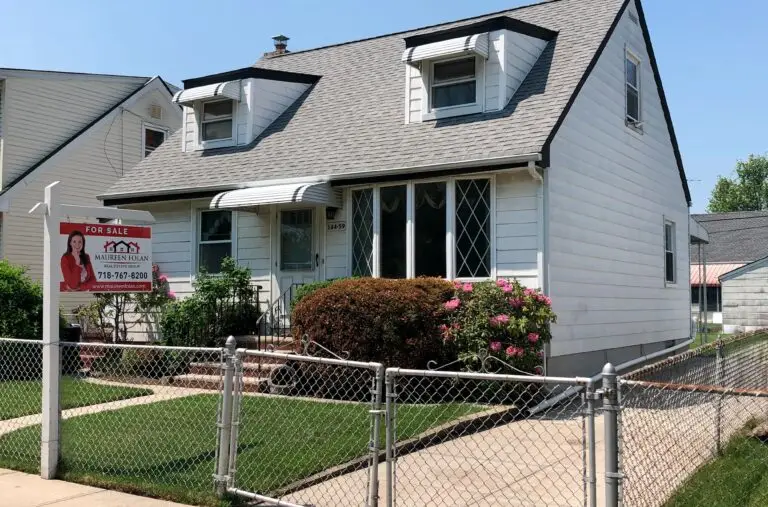
After spending over 30 years as a City Planner and viewing neighborhoods with a Planner’s eyes, and actually learning from experience in my home buying experience, I’ve seen it all. Buyers fall in love with curb appeal, back yards, crown molding and quartz countertops, but overlook what could make or break their investment. Questions to start seeking out, what is the future of the neighborhood? Zoning? or are there any hidden infrastructure issues. This blog bridges the gap between the home you love and the city rules you need to know.
Whether you’re a first-time buyer or seasoned investor, understanding what lies beyond the property lines is crucial. Some of the insights of what to look out for, will never be exposed by a Real Estate agent, for the reason, they want to close the deal with you, so let’s first explore the the basics from the insights of a real estate professional and a city planner’s perspective, so you can make an informed, future-proof decision.
Section 1: The Real Estate Agent’s Checklist — What to Look for in a Home
- Location, Location… Lifestyle
You’ve heard it before: location is everything. But it’s more than a zip code. Think about your daily rhythm. How long is your commute? Do you want to walk your kids to school or need access to transit? Look for proximity to parks, hospitals, and grocery stores. Visit at different times of day—what’s peaceful in the afternoon might become noisy during rush hour. Drive by at night, are there street lights, is the street dark?
- Home Features That Actually Add Value
Everyone loves a freshly renovated kitchen, but smart buyers look for features that truly impact comfort and value. Check for updated plumbing and electrical systems, quality roofing, and energy-efficient windows. A well-designed floor plan can make a smaller home feel spacious and livable. Don’t be distracted by surface-level cosmetics—look under the hood.
- Hidden Costs You Need to Ask About
Many buyers overlook recurring costs. Homeowners Association (HOA) dues, Mello-Roos taxes (common in newer developments in California), or special assessments can impact your budget. Also, after a home sale, the property will likely be reassessed, which could raise your property taxes significantly.
- Deal Breakers Agents Spot Instantly
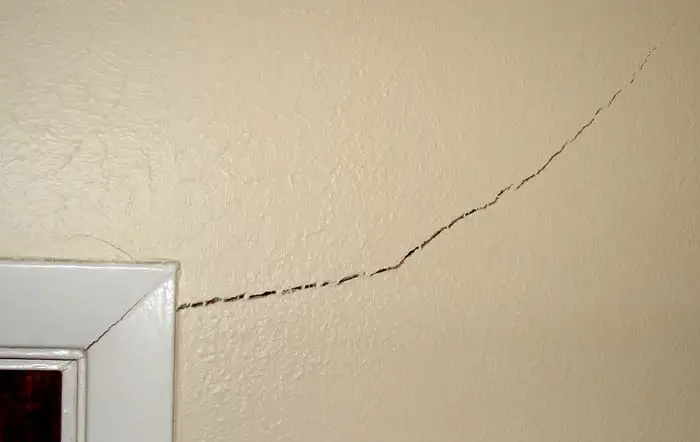
Good real estate agents know the red flags. Water stains, cracked foundations, or odd smells could indicate deeper problems. Question any addition or remodel without a permit. Odd lot shapes might limit what you can build or expand. Even your dream backyard might not be usable if it’s within a utility easement or has poor drainage, or in my case, I wanted to build a swimming pool but access to the back yard only had a 5-foot side width, and would have required the demolition of the masonry wall on the side, to give access to the machinery (bobcat). So that was out of the question due to the cost of labor.
- Think Long-Term Resale Value
This may be your forever home—or it might not. Buying in a neighborhood that is steadily improving (without being over-hyped) can help protect your investment. Consider trends like walkability, school reputation, and community improvements. Also, think about future needs—extra bedrooms, home office, or multi-generational space.
Section 2: The City Planner's Lens — What Buyers Overlook (But Shouldn’t)
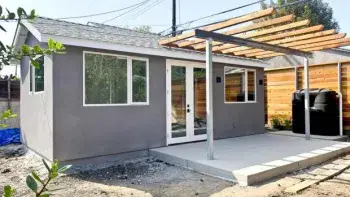
Zoning: Can You Add That ADU Later?
Accessory Dwelling Units (ADUs) are becoming a popular way to create rental income or house extended family. But not every property qualifies. Even if state law allows ADUs, your parcel might have restrictions due to overlays, lot size, or side yard or rear yard requirements, or infrastructure capacity. Always request the zoning map and review city zoning code.
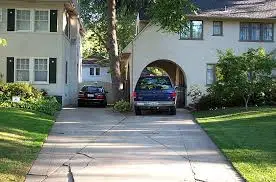
The Driveway: Are you sharing a driveway?
Many Single family dwellings sometimes share a driveway for ingress and egress, but who owns that part of the lot? It’s important to determine who actually owns that part of the driveway that you will be driving over to get in and out of your home. Surprisingly you might not own that part, but have access to use that portion through an egress and ingress easement. Ask your real estate agent if there is an easement on the property. In the City of Los Angeles, each lot must have a 20-foot frontage of legal access and frontage.

Curb street parking: Does your street have ample parking on the street?
Or more importantly, does your property have some curb to park if you need to park in the street for you, family or guests. Also does your City require a parking permit? Look into the parking requirements of your city. Some cities require overnight parking while some cities do not. In the city I reside here in the San Gabriel Valley area, an overnight parking permit is required from the hours of 2:00 am – 5:00 am.

Driveway Width:
This coincides with availability of parking on the streets. Is your family at the age where teenagers are going to start driving? Or do you have adult children, do they have a car? Will your cars all fit on your driveway? Many homes have a mixture of wide or long driveways that could fit up to 4 cars or maybe more. Determine where your family is going to be in the next 5 years. This should be a reason that maybe you may have some parking issues in the future.


Collector Streets vs Local Streets.
Examine your street grid to see if it intersects with another street before entering a large one. Or, before you turn onto a main street, is there a street light on your street? Is this something to consider when you intend to purchase a home? When we were looking for a house, I fell in love with a house and the property. However, I did not like that my kids were still learning to drive and that they would have to drive to a major street to leave our street. There was no street light, and turning left would have been risky for them as they were still learning to drive, so we decided this house wasn’t for us. Additionally, as the population continues to grow, there will be more automobiles on the road, making the situation worse while you wait for traffic to clear. So bear in the mind, the street grid, when you are looking for a home.
Future Development: That Empty Lot Might Not Stay Empty
That open space behind your dream home might be zoned for multifamily housing or even commercial use. Look at the city’s General Plan, zoning map, and active development applications. Cities are constantly evolving. A traffic-free street could be impacted by a future project. City planning websites or planning commission agendas can help you stay informed. I will write some articles on how to educate yourself on Planning Commissions meetings so you can know what is happening in your community.
Infrastructure: Sewer, Streets & Services
Homes in older areas may have aging sewer lines, deteriorating roadways, or insufficient drainage systems. Ask about recent capital improvement plans. If your street is scheduled for major reconstruction or utility upgrades, you’ll want to know in advance. It might increase taxes or inconvenience you during construction.
Environmental & Health Hazards
Urban planning considers air and noise pollution, hazardous materials, and more. Use California’s EnviroScreen or your local GIS to check for environmental concerns like proximity to freeways, brownfields, or industrial uses. Even subtle things like truck traffic or lack of tree canopy can impact quality of life.
Community Character & Overlay Zones
Many cities in the San Gabriel Valley have overlay zones to preserve neighborhood character. This might include architectural guidelines, height restrictions, or tree protection ordinances. Hillside areas like in Sierra Madre or parts of Glendora have strict development rules. What you see is not always what you can build.
Section 3: Local Spotlight — San Gabriel Valley Insights
Best-Bet Communities for Smart Growth:
- Claremont: A model for sustainability and higher education investment. Tree-lined streets, walkable downtown, and community input have helped preserve charm while accommodating growth.
- Monrovia: The Station Square Transit Village is an example of well-integrated development. The city also supports historic preservation and offers grants for facade improvements.
- Azusa/Duarte near Gold Line: With the Foothill Gold Line extension, areas near these stations are seeing new life through TOD (transit-oriented development), attracting professionals who want urban living in a suburban setting.
Planning Challenges to Watch:
- El Monte: Some neighborhoods are undergoing transformation, but with mixed reactions from residents. Projects like the Flair Business Park expansion raise questions about traffic and compatibility.
- West Covina: Rezoning efforts for commercial corridors like the former Plaza West Covina area are underway. Buyers should be aware of evolving land uses that could affect noise, congestion, or school boundaries.
Conclusion:
Falling in love with a home is only half the story. The other half is understanding what’s happening around it—now and 10 years from now. As both a seasoned City Planner and insights to the real estate market, , I urge you to dig deeper. Ask about zoning, future plans, infrastructure, and neighborhood stability. These are the things you won’t find on Zillow.
Being informed empowers you to not only buy a house, but invest in a home and community that supports your future.